
Why one of Australia’s most respected property and legal industry leaders chose InfoTrack for her next chapter
Rukshana Sashankan brings her experience and a client-first mindset to InfoTrack as General Manager, Client Success & Delivery.




Rukshana Sashankan brings her experience and a client-first mindset to InfoTrack as General Manager, Client Success & Delivery.



The 2026–27 Federal Budget, handed down on the evening of Tuesday the 12th of May 2026, carries more than cost-of-living headlines. Beneath the five rounds of personal income tax cuts and fuel excise relief sits a set of structural reforms that will reshape how Australians invest in property, how discretionary trusts are taxed, and how the negative gearing rules interact with new versus established housing. For lawyers, conveyancers, real estate professionals, and accountants, the downstream effects of these changes will arrive quickly, and they will arrive in volume.

For the past 18 months, InfoTrack has been working directly with Australian law firms and conveyancing practices on what Tranche 2 of the Anti-Money Laundering and Counter-Terrorism Financing Act 2006 means for their day-to-day operations.

Australia’s Tranche 2 AML/CTF reforms mark one of the most significant regulatory shifts to impact the property sector in decades. From 1 July 2026, lawyers and conveyancers will formally step into the role of “gatekeepers” within the financial system, with new obligations designed to detect and deter financial crime.
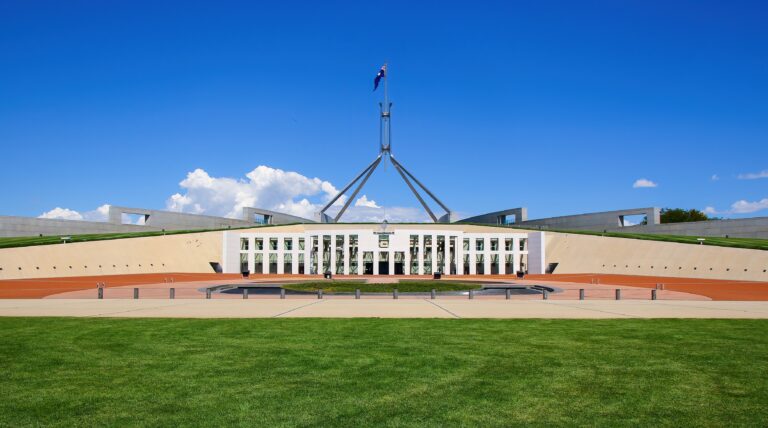
The 2026–27 Federal Budget, handed down on the evening of Tuesday the 12th of May 2026, carries more than cost-of-living headlines. Beneath the five rounds of personal income tax cuts and fuel excise relief sits a set of structural reforms that will reshape how Australians invest in property, how discretionary trusts are taxed, and how the negative gearing rules interact with new versus established housing. For lawyers, conveyancers, real estate professionals, and accountants, the downstream effects of these changes will arrive quickly, and they will arrive in volume.

Australia’s Tranche 2 AML/CTF reforms mark one of the most significant regulatory shifts to impact the property sector in decades. From 1 July 2026, lawyers and conveyancers will formally step into the role of “gatekeepers” within the financial system, with new obligations designed to detect and deter financial crime.

Over the last decade, property due diligence has undergone a paradigm shift driven by the rapid maturation of deep-source intelligence and more accessible property data. Today’s